Subscribe to Alphabet Soup, Keret's newsletter (powered by Substack): Fiction, non-fiction, thoughts, writing tips and anything else that would make an easily influenced curious person double click.
“I’ve been looking at [Keret’s] Substack and it’s so witty and enjoyable, and he’s clearly having a wonderful time doing it, I thought, ‘maybe I could do that’” — Salman Rushdie, The Guardian
Pride and Joy
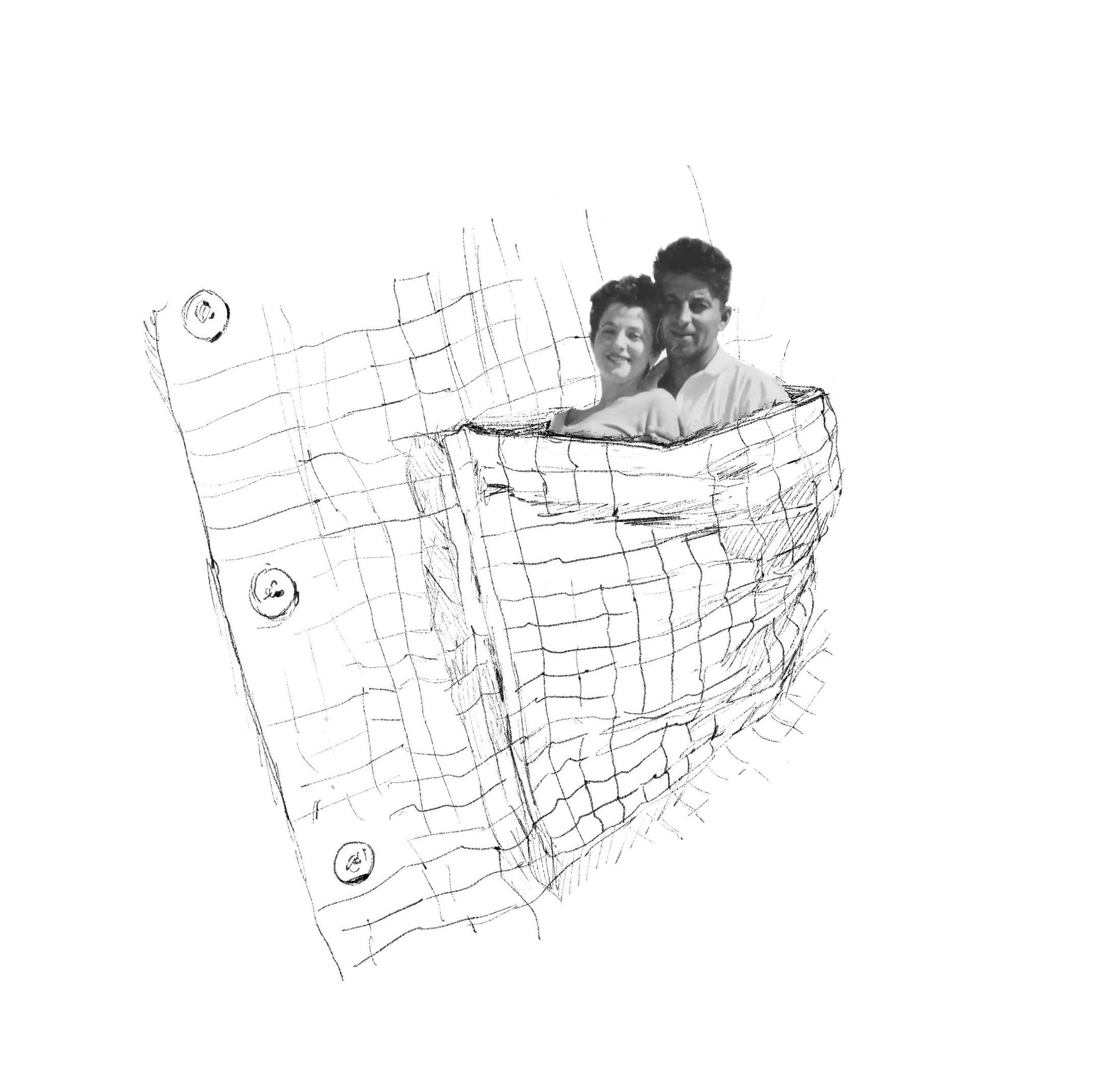
 Read at Alphabet Soup
Trapped in our bomb shelters, we Israelis shouldn’t let the war define us
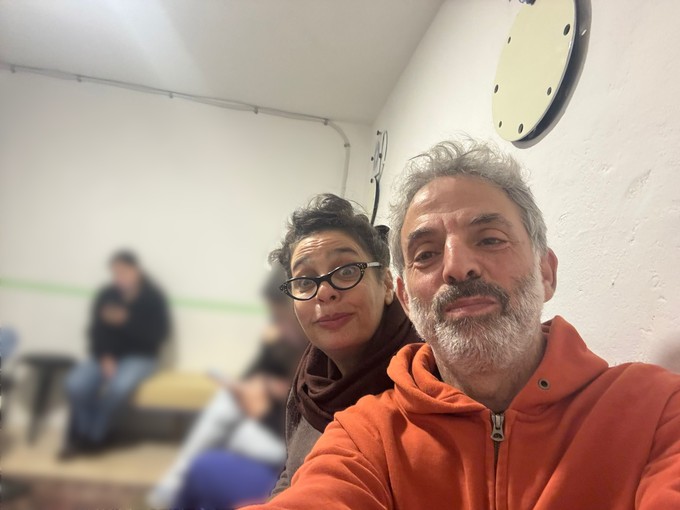
It’s not as if running to the bomb shelter in the middle of the night is sometimes my idea and sometimes because there’s an air-raid siren. Or that decisions about the war’s goals and how long it will last are made collaboratively. War always demands to lead, and the only real freedom we have as civilians in a nation being bombed on a regular basis is how much control to give it over our lives.
In other words: to what extent do you let the conflict be your leader? Should you reduce your entire existence to passively responding to orders handed down by the masters of war?
אוטוקורקט
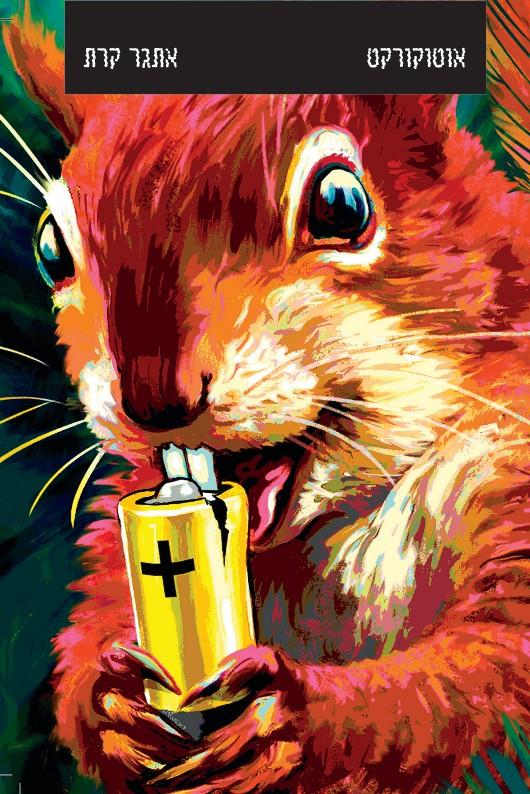
"היקום הקורס אל תוך עצמו של קרת הוא היקום שלנו, ולמול התחושה שלא נותרו לנו בו כמעט שום נקודות ייחוס יציבות, הכתיבה הקרתית היא נקודת ייחוס יציבה; ומוכרותה, שבנסיבות אחרות הייתה יכולה לשמש כטיעון כנגדה, הופכת לעוגן חיוני מתמיד. כי בקיום שמשתנה באופן בלתי נסבל כל כך, הופך הקבוע והיציב לאפשרות היחידה שלנו לזהות את עצמנו, לנקודת הייחוס שלמולה אנו יכולים לתפוס את ההשתנות ולאמוד את דרכנו על פני המסלול הבלתי מובן שעושה הכוכב שבו נגזר עלינו לחיות."
Upcoming events
- 2026-09-22, 19:00 • Michigan State U Library, 332 Case Hall — “Is Reality Overrated?”
- 2026-09-23, 17:00 • UMich Rackham School Amphitheater — Me, Myself and AI
- 2026-10-05, 19:30 • Athenaeum Center, Chicago — Half-Baked Stories About My Dead Mom
- 2026-10-06, 19:30 • Emerson Colonial Theatre, Boston — Half-Baked Stories About My Dead Mom
“What About Me?“
Written by Etgar Keret and Shira Geffen for “Short Stories on Human Rights“ (2008).
Talking Past Each Other in Israel
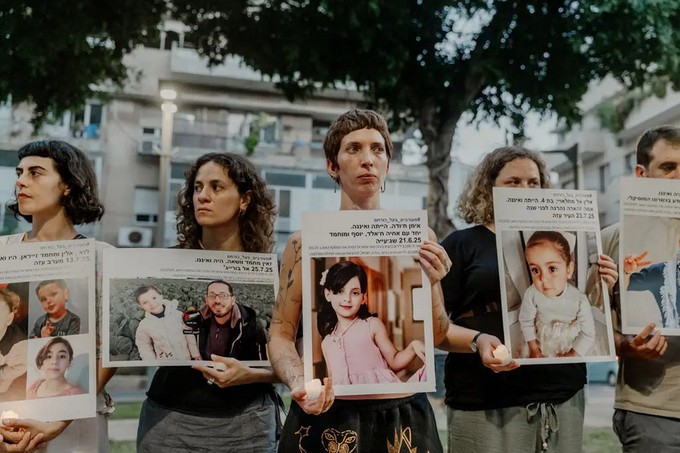
All of a sudden the whole scenario seemed less like a political dispute and more like a modern Tower of Babel, where God made everyone speak different languages to stop their effort to build endlessly upward, a check on human arrogance.
Words Without Borders, 2010
I believe that there is a truth. I believe it is very difficult to articulate that truth. I try to go in that direction, but I don’t pretend I will get there.
New York Times, 2012
For Keret, the creative impulse resides not in a conscious devotion to the classic armature of fiction (character, plot, theme, etc.) but in an allegiance to the anarchic instigations of the subconscious. His best stories display a kind of irrepressible dream logic